Daisy Floral Watermelon Embroidery Review
When I first opened the file for Daisy Floral Watermelon, my immediate reaction wasn't about stitch counts or file formats. It was about the vibe. There is a specific energy in a design that tells you exactly where it belongs, and this piece has a distinct summer freshness that feels right at home on casual wear and home decor. As someone who reviews digital assets daily for my own craft business and client projects, I look past the pretty preview image to see how the design actually translates into thread. This review breaks down my practical experience with this graphics asset, focusing on its potential for real-world embroidery projects.
The First Impression: Mood and Visual Personality
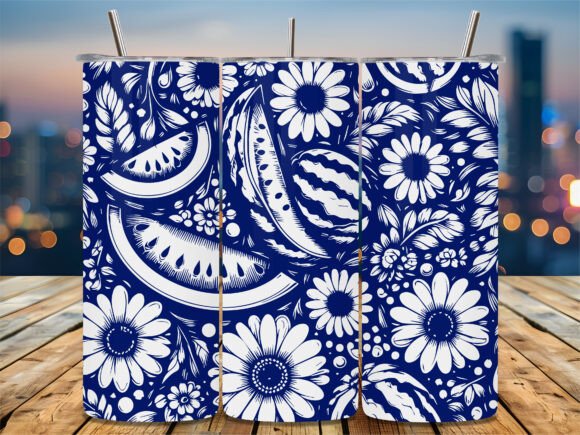
Daisy Floral Watermelon strikes a balance between whimsical and structured. The combination of classic daisies with the playful watermelon motif creates a cheerful aesthetic that screams "warm weather." In the world of machine embroidery, mood is everything because it dictates the customer's emotional connection to the finished product. This design doesn't try to be overly intricate or high-fashion; instead, it aims for approachable charm. The layout suggests a relaxed flow, which usually translates well to curved surfaces or larger garment areas. For designers looking to add a touch of seasonal joy without overwhelming a fabric texture, this is a strong candidate.
The visual personality here is friendly and inviting. It avoids the stiff, corporate look of many vector-based graphics. Instead, it feels handcrafted, even before the needle touches the fabric. This is crucial for small business owners and Etsy sellers who want their products to feel authentic and handmade rather than mass-produced. When a customer sees this on a tote bag or a baby onesie, they immediately associate it with carefree days and homemade treats.
Real-World Application: From Digital File to Finished Product
I recently put Daisy Floral Watermelon through a stress test by incorporating it into a custom order for a local boutique. The goal was to create a line of aprons for a summer cooking class. Typically, floral designs can get lost on textured cotton canvas, but the contrast in this design held up surprisingly well. The daisies provided enough detail to catch the light, while the watermelon elements added a pop of color that didn't require complex shading techniques.
Here is how this design performs across various categories:
- Custom Apparel and Sweatshirts: The design scales beautifully on sweatshirt embroidery. On a light grey pullover, the colors would pop, creating a statement piece perfect for holiday gifts or spring fashion. However, on darker fabrics, you must be mindful of the background coverage.
- Baby Embroidery: This is a natural fit for nursery decor and baby clothes. The soft, rounded shapes are gentle and safe-looking, making it ideal for christening gowns or baby shower gifts. Just ensure the stitch density isn't too heavy for delicate infant skin.
- Tote Bag Design: A large tote bag offers ample space for this graphic. The running stitch and satin stitch elements work well on durable canvas, adding a professional finish that elevates a simple accessory into a boutique-quality item.
- Holiday Embroidery: While not strictly Christmas-themed, the bright, fresh colors make it excellent for Easter baskets or Fourth of July celebrations. It fits the "summer party" niche perfectly.
- Commercial Embroidery: For those selling finished goods, this design adds value. It transforms a plain kitchen towel or pillow cover into a unique gift item that justifies a higher price point.
Where Caution is Required
Even the best embroidery file needs context. While Daisy Floral Watermelon is versatile, there are scenarios where it might struggle if not handled with care. If you are working with small hoop sizes, such as those used for cap embroidery or cuff details, the fine lines of the daisy petals might become muddy. The design requires enough negative space to breathe, so cramming it onto a tiny patch could result in a loss of definition.
Fabric choice is another critical factor. Textured fabrics like terry cloth or heavy boucle can hide the finer details of the design. Similarly, stretchy knits can cause distortion if the stabilizer isn't chosen correctly. When stitching on thin fabric, the density of the fill stitches might cause puckering unless a cut-away stabilizer is used. Dark fabrics present a challenge too; if the design relies on light thread colors for the daisy centers, they may disappear against a black background unless a backing layer is added.
Curved surfaces like caps require precise digitizing to ensure the watermelon slices don't look warped. If the original file isn't optimized for curvature, the perspective might look off when viewed from the side. Always inspect small details and test the design on scrap fabric first to avoid ruining expensive materials.
Impact on Brand and Customer Trust
In the handmade market, presentation is everything. A clean, professional embroidery job builds trust faster than any marketing copy. Using a well-structured design like Daisy Floral Watermelon signals to your customers that you pay attention to quality. When a buyer receives a personalized gift or a custom apparel item with crisp edges and consistent thread tension, they are more likely to return for future purchases.
This design also enhances brand consistency. If you run a shop specializing in summer themes or family-oriented crafts, having a signature graphic like this helps create a cohesive look across your product line. Whether it appears on a printable mockup for an online listing or on the actual physical item, the visual appeal remains strong. It helps buyers visualize the final product, reducing hesitation and increasing engagement.
Practical Designer Notes for Success
Before you start stitching, there are several technical steps every designer should take to ensure success with this embroidery project. First, check the thread colors. The default palette might need adjustment depending on your fabric. Sometimes, swapping a standard green for a sage tone can make the design look more sophisticated.
Review the stitch density carefully. High-density areas can lead to bird nesting or thread breakage if the machine isn't calibrated correctly. Confirm the hoop size matches your intended project dimensions. If you are using this for a commercial embroidery project, double-check the licensing terms to ensure you have the right to sell finished items made from this design asset.
Don't forget to test it in black and white mockups. This helps you see if the contrast levels are sufficient without relying on color. Also, compare how it looks on both light and dark fabric backgrounds to determine if you need to add a underlay or a different stabilizer type. Proper stabilizer selection is non-negotiable for maintaining the shape of the design over time, especially for products that will undergo frequent washing.
Finally, consider the end use. Is this going to be a decorative accent or a functional part of a garment? For items like aprons or tea towels, durability is key. Ensure the satin stitch is tight enough to resist wear but not so tight that it distorts the fabric. By following these guidelines, you can turn a simple digital download into a standout handmade product that your customers will love.
Ultimately, Daisy Floral Watermelon is a solid addition to any crafter's library. It offers a blend of charm and structure that works well for small shop products, craft fair items, and personal gifts. With the right preparation and execution, it can help elevate your craft business to the next level.