Floral Pliers Gear Silhouette Graphic: A Designer's Review
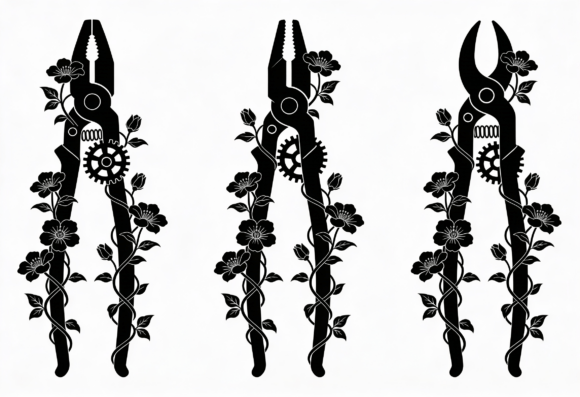
When I first opened the Floral Pliers Gear Silhouette Graphic, my immediate thought was not about the file formats or the technical specs, but rather the mood it evokes. As a designer who spends hours tweaking stitch density and selecting thread colors, I look for designs that tell a story before they even hit the hoop. This silhouette creates a distinct narrative of industrial strength meeting organic beauty. It feels like a badge for someone who builds things with their hands, yet appreciates the delicate details of nature.
The concept is simple yet effective: pliers gripping a floral element within a gear shape. It suggests precision, craftsmanship, and a touch of whimsy. For an embroidery project, this visual personality fits perfectly into the world of handmade goods where utility meets aesthetics. Whether you are a seasoned embroiderer or a small business owner looking to expand your catalog, understanding how this design translates from screen to fabric is crucial. It is not just a pretty picture; it is a functional asset for your craft business.
Real-World Application: From Screen to Stitch
I recently considered using the Floral Pliers Gear Silhouette Graphic for a specific client project: a line of custom embroidered tote bags for a local gardening cooperative. The goal was to create something that felt professional enough for a boutique shop but rugged enough for actual use in a garden shed. When I laid out the design on a mockup of a canvas tote, the silhouette held its own. The contrast between the mechanical gear and the soft flower created a focal point that drew the eye immediately.
In a real-life scenario, this design works exceptionally well on structured items. Imagine stitching this onto a denim sweatshirt for a workshop instructor or perhaps on a sturdy apron for a potter. The gear shape provides a solid anchor for the design, while the floral element adds a layer of approachability. If you are an Etsy seller, this kind of imagery resonates with buyers who appreciate "maker" culture. It signals that the product was created by someone who understands tools and materials.
However, I also tested how it would perform on softer items, like a baby onesie or a pillow cover. On a baby item, the gear might feel slightly too heavy-handed unless the stitching is kept light and airy. But on a pillow cover or a kitchen towel, the design gains weight and presence. It transforms a plain linen towel into a statement piece. The versatility here is high, provided you adjust your stitching strategy to match the fabric texture.
Navigating Fabric and Hoop Constraints
While the Floral Pliers Gear Silhouette Graphic is robust, it is not without its challenges. One of the first things I noted during my review was the potential difficulty with small hoop sizes. The gear outline combined with the intricate details of the pliers and petals requires a certain amount of space to breathe. If you attempt to stitch this in a 4x4 inch hoop on a cap or a small patch, the details could become muddy. The fine lines of the gear teeth might merge with the fill stitches if the resolution is not handled carefully.
Fabric choice is equally critical. Textured fabrics like thick wool or heavily woven burlap can obscure the clean lines of a silhouette. Similarly, stretchy fabrics like jersey knit require careful stabilization. Without a proper stabilizer, the tension of the satin stitch could cause the fabric to pucker around the gear edges, ruining the crispness of the silhouette. Dark fabrics present another hurdle; while the silhouette looks striking against white, the thread color selection becomes a balancing act. You need high-contrast threads to ensure the pliers and flower stand out against the dark background without losing definition.
Curved surfaces, such as caps or sleeves, demand extra attention. The geometry of a gear does not always conform naturally to a curve. If the design is not digitized specifically for curved surfaces, the perspective might look distorted once stitched. In these cases, testing on scrap fabric first is non-negotiable. You want to see how the design behaves under tension before committing to your final product.
Elevating Product Value and Brand Consistency
For commercial embroidery projects, the visual appeal of the design directly impacts customer trust. A sloppy stitch job on a complex silhouette like this can make a handmade product look cheap. Conversely, a clean execution elevates the perceived value. When a customer sees a crisp Floral Pliers Gear Silhouette Graphic on a finished product, they perceive the maker as skilled and detail-oriented. This is vital for building a brand identity in the crafts and graphics market.
This design is particularly strong for personalized gifts. Imagine a custom hat for a mechanic who loves gardening, or a set of embroidered patches for a DIY enthusiast group. The unique combination of tools and flowers allows for storytelling that generic floral or tool designs cannot achieve. It gives the recipient a sense of being understood. For small shop products, having a signature design like this helps with recognition. It becomes part of your visual language, making your listings stand out in a crowded marketplace.
When creating printable mockups for digital product previews, this silhouette offers great versatility. It sits well in center-chest placements, pocket areas, or even as a large back print on a jacket. The clean lines of the vector file allow for easy resizing without pixelation, which is essential for maintaining quality across different product types. Whether you are selling the physical embroidered item or the digital file itself, the clarity of the original design ensures that the final output remains sharp.
Essential Notes for the Embroidery Designer
If you decide to incorporate the Floral Pliers Gear Silhouette Graphic into your workflow, there are several practical steps to ensure success. First, always test the design on scrap fabric that matches the weight and texture of your intended project. This allows you to dial in the correct thread colors and tension settings. Pay close attention to the stitch density; dense fill stitches can make the gear teeth look blocky, while sparse stitches might leave gaps in the silhouette.
Reviewing the design in black and white mockups is another helpful trick. This strips away the distraction of thread color and lets you evaluate the composition and balance of the shapes. Does the floral element overpower the gear? Is the negative space distributed evenly? These questions determine the overall harmony of the embroidery project.
Don't forget to check the licensing terms. If you plan to sell finished items featuring this design, you must confirm whether the license permits commercial use. Many digital assets have restrictions on how many units you can produce or whether you can modify the design. Confirming these details protects your business and ensures you are operating ethically.
Finally, consider the end-use of the product. Items that will be frequently washed, like aprons or work shirts, need durable stitching. Ensure that the design has enough stability and that the thread choices are colorfast. By taking these precautions, you transform a simple graphic into a high-quality embroidery file that stands the test of time.
In conclusion, the Floral Pliers Gear Silhouette Graphic is a compelling addition to any designer's toolkit. It bridges the gap between mechanical precision and organic elegance, offering endless possibilities for custom apparel, personalized gifts, and boutique branding. With careful planning regarding fabric, hoop size, and stitch density, this design can elevate your handmade products to a professional standard. It is a testament to the idea that even in the digital age, the tactile quality of a well-executed stitch remains the heart of true craftsmanship.