Floral Rabbit Outline Animal Bunny Review
I have spent years reviewing digital assets for the embroidery community, and I can tell you that finding a design that balances whimsy with structural integrity is no small feat. When I first opened the Floral Rabbit Outline Animal Bunny, my immediate reaction was one of cautious optimism. In a market flooded with generic clipart, this design stood out because it feels less like a simple line drawing and more like a cohesive piece of art ready to be translated into thread.
This isn't just a graphic; it is a potential centerpiece for a boutique collection or a heartfelt personalized gift. As an experienced designer, I am always asking myself: does this hold up under the needle? Will it look good on a sweatshirt pocket or a delicate baby onesie? After running through some mental simulations of real-world application, here is my honest breakdown of how Floral Rabbit Outline Animal Bunny performs in actual production environments.
The First Impression: Mood and Visual Personality
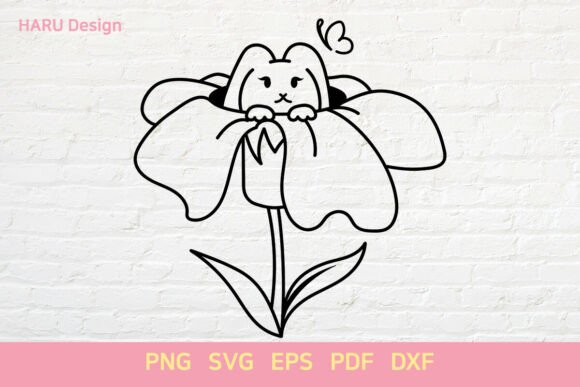
The moment you see the outline of the Floral Rabbit Outline Animal Bunny, it evokes a specific mood. It is soft, approachable, and undeniably charming. The combination of the rabbit silhouette with floral elements suggests springtime, Easter, or a gentle nursery theme. Unlike rigid geometric designs, this piece has organic flow, which translates beautifully when stitched.
For a craft business owner, the visual personality of a design dictates its sales potential. This design screams "handmade" without looking amateurish. The layout is balanced enough to sit comfortably on a tote bag but detailed enough to catch the eye on a larger garment. It creates an instant emotional connection with the viewer, which is crucial for Etsy sellers and small shop owners trying to stand out in a crowded marketplace. The artboard size of 12in×12in provides ample room for scaling, ensuring that whether you are creating a massive wall hanging or a tiny patch, the proportions remain intact.
Real-World Application: From Digital File to Finished Product
Let's imagine a real scenario. You are preparing for a holiday market season, and you want to create a line of custom embroidered aprons featuring a seasonal motif. You pull up the Floral Rabbit Outline Animal Bunny file. Because it comes as a versatile set including 1 SVG file, 1 EPS file, 1 PNG file, 1 PDF file, and 1 DXF file, the workflow is seamless. The DXF file is particularly useful if you plan to cut applique pieces before stitching, while the vector files (SVG and EPS) allow for infinite resizing without pixelation.
In this apron project, the outline nature of the design shines. If you use a satin stitch for the border, the flower details will pop against the fabric background. However, if you opt for a fill stitch, the density needs to be managed carefully. For a tote bag design, this outline style works exceptionally well because it doesn't overwhelm the canvas. It allows the texture of the canvas itself to show through slightly, adding depth to the finished product. On a sweatshirt embroidery project, the clean lines prevent the fabric from becoming too stiff, maintaining the comfort of the garment.
I also envision this design on baby items. A Floral Rabbit Outline Animal Bunny embroidered on a receiving blanket or a onesie would be a hit. The lack of heavy, dense shading means there is minimal risk of puckering, which is a common complaint with complex machine embroidery designs. Parents appreciate soft, flat embroidery that won't irritate sensitive skin, making this a practical choice for baby embroidery projects.
Where Caution Is Required: Fabric and Placement
While this design is highly versatile, every professional knows that context matters. There are specific situations where Floral Rabbit Outline Animal Bunny requires careful consideration. For instance, if you are working with a very small hoop size, the floral details might become indistinguishable. Tiny curves in the flowers could get lost or merge together if the resolution of your machine or the fineness of your thread is not adequate.
Textured fabrics present another challenge. If you attempt to stitch this on a rough burlap or a heavily napped fleece, the definition of the outline may suffer. The sharp contrast needed to make the design readable relies on the stability of the base fabric. Similarly, stretchy fabrics like jersey require a stabilizer that can handle the tension without distorting the curve of the rabbit's ears or the petals.
Dark fabrics can also be tricky. Since this is primarily an outline design, using white or light-colored thread on dark material might result in a faint appearance unless you use a high-density underlay or a specific stitch type like a tight running stitch. Furthermore, on curved surfaces like caps, the design must be digitized specifically for the curvature of the hat. Using a flat design file on a curved surface without proper adjustment can lead to distortion, especially around the headband area.
Stitch Density and Thread Choices
The success of any machine embroidery design often hinges on stitch density. With Floral Rabbit Outline Animal Bunny, you have the freedom to choose between a delicate satin stitch for a glossy finish or a rustic running stitch for a folk-art look. However, if you decide to fill the interior of the rabbit or the flowers, you must ensure the stitch count is appropriate. Too much fill stitch can make the design bulky and prone to breaking threads.
Thread color contrast is equally critical. To maintain the visual appeal of the design, the thread must stand out against the fabric. A monochromatic scheme using different shades of blue or green can create a sophisticated, modern look, while bright colors lean towards a playful, child-friendly aesthetic. Always test your thread choices on scrap fabric before committing to the final finished product.
Practical Designer Notes for Commercial Success
If you are a small business owner or an Etsy seller, treating this design with professional rigor is essential for building customer trust. Before launching a new line of products featuring the Floral Rabbit Outline Animal Bunny, I strongly advise testing the design on scrap fabric first. This step reveals issues with thread tension, stabilizer choice, or fabric distortion that might otherwise go unnoticed until after production.
Review the stitch density and confirm the hoop size matches your intended project dimensions. Inspect the small details, particularly the intersections of the floral stems and the tips of the rabbit's ears. These are the areas where errors are most likely to occur. It is also wise to test the design in black and white mockups to ensure the composition holds up even without color. Compare how it looks on both light and dark fabric backgrounds to determine the best color palette for your brand consistency.
Don't forget the technical requirements. Use a proper stabilizer—cut-away stabilizers are generally recommended for durability on items that will be frequently washed, such as custom apparel or kitchen towels. Check whether the design works for both personal and commercial projects by reviewing the license terms provided with the download. Confirming licensing before selling finished items or digital products protects your business from legal issues.
Final Thoughts on Value and Engagement
Ultimately, the value of a design asset lies in its ability to elevate a product. Floral Rabbit Outline Animal Bunny has the potential to transform a plain item into a memorable gift. Its clean lines and charming subject matter make it highly recognizable and shareable, which drives buyer engagement. Whether used for a wedding gift, a holiday present, or a boutique branding element, this design adds a touch of professionalism and care.
It fits perfectly into the Crafts and Graphics categories, serving as a robust foundation for various creative endeavors. From embroidered patches to printable mockups for online listings, this file offers versatility that is rare to find. By approaching the project with the right tools and techniques, you can turn this digital file into a tangible masterpiece that customers will love.
As a designer, I recommend keeping this design in your arsenal. It is a reliable, aesthetically pleasing option that respects the limitations of embroidery while maximizing creative potential. Just remember to respect the process: test, adjust, and then execute with confidence. That is the secret to creating high-quality handmade products that truly resonate with buyers.