Vintage Floral Glass Cutting Board
I have spent years reviewing digital assets for my own craft business, and I can tell you that finding a design that feels authentic without looking dated is a delicate balance. When I first opened the folder for the Vintage Floral Glass Cutting Board, my initial reaction was one of quiet appreciation. It doesn't scream for attention with neon colors or aggressive modern lines; instead, it offers a soft, nostalgic charm that fits perfectly into the current trend of handmade, artisanal goods. As an experienced designer evaluating this for real-world application, I want to walk you through exactly how this piece performs when moved from a screen to the hoop.
The First Impression: Mood and Visual Personality
The moment you look at the high-resolution preview, the Vintage Floral Glass Cutting Board establishes a specific mood. It feels like a Sunday morning in a sunlit kitchen or a boutique shop filled with linen linens. The layout is balanced, suggesting a central focal point surrounded by organic details that guide the eye naturally. For designers who specialize in crafts and graphics, the appeal here lies in its versatility. It isn't just a pretty picture; it has a structural integrity that suggests it will translate well into thread.
The theme leans heavily into the "shabby chic" and rustic aesthetic, which remains incredibly popular among Etsy sellers and small business owners. However, what stands out most is the potential for texture. A design that looks flat on a monitor often fails when stitched, but this one promises depth. The floral elements suggest a mix of stitch types that could create a tactile experience, making the final product feel more expensive and thoughtfully curated than standard mass-produced items.
Real-World Application: From Screen to Stitch
To truly understand the value of this embroidery file, we need to imagine it in action. Let's say I am preparing a custom order for a local bakery client who wants branded aprons for their staff. I pull up the Vintage Floral Glass Cutting Board in my digitizing software. The scale seems appropriate for a chest pocket or a lower back placement on a heavy-duty canvas apron. The vintage vibe pairs beautifully with natural fabrics like cotton duck or linen, creating a cohesive brand story that says "quality" and "tradition."
Consider another scenario: a holiday gift collection. I am designing a line of embroidered tote bags for a Christmas market. This design would be perfect for a set of three bags featuring different variations of the floral motif. The machine embroidery design has enough detail to justify a higher price point for a handmade product. Customers browsing a craft fair booth are drawn to items that look intricate and time-consuming to make. If this design stitches cleanly, it signals to the buyer that they are purchasing something unique, not a factory print.
I also see this working exceptionally well for nursery decor. Imagine a pillow cover or a baby blanket featuring the Vintage Floral Glass Cutting Board in soft pastels. The gentle curves of the flowers soften the overall look, making it ideal for baby embroidery projects where safety and comfort are paramount. The design avoids sharp, aggressive angles, which translates to a softer feel against a baby's skin.
Where Caution Is Required
While I am generally optimistic about this asset, a professional review must address limitations. Not every surface is a good home for a complex floral pattern. I would advise against using this on highly textured fabrics like bouclé or thick chenille, as the definition of the smaller floral details might get lost in the pile of the fabric. Similarly, on stretchy knits like jersey t-shirts, the density of the design could cause puckering if the stabilizer isn't chosen correctly.
Small hoop sizes present another challenge. If you attempt to shrink this design down too much for a cap patch or a tiny baby bib, you risk losing the character of the vintage style. The details may become muddy blobs rather than distinct petals and leaves. Additionally, while the design is likely optimized for light backgrounds, testing on dark fabric requires careful consideration of underlay and thread choice. Without a proper opaque underlay, the vintage tones might bleed through, ruining the intended color palette.
Another area to watch is the finish. Designs with dense fill stitches require frequent trimming and pressing. If your workflow involves quick turnaround times for commercial embroidery orders, ensure this design does not take excessive time to clear the hoops compared to simpler geometric patterns. Also, check the licensing terms carefully. Just because you buy the digital embroidery file does not automatically grant you the right to sell unlimited quantities of finished goods. Always confirm the commercial usage rights before listing items on Etsy or your own website.
Visual Appeal and Customer Trust
In the world of online selling, the image is everything. A well-executed version of the Vintage Floral Glass Cutting Board can significantly boost customer trust. When a buyer sees a photo of a finished personalized gift with crisp satin stitches and clean edges, they assume the seller is professional. Conversely, a poorly executed design with loose threads or skipped stitches can damage a reputation instantly.
This design has the potential to elevate the perceived value of any item it adorns. Whether it is a sweatshirt embroidery project for a cozy winter collection or a tote bag design for a summer festival, the vintage aesthetic adds a layer of sophistication. It tells the customer that the maker cares about aesthetics and detail. In a crowded marketplace like Etsy, that attention to visual quality is often the deciding factor between a browse and a purchase.
Practical Designer Notes for Execution
If you decide to incorporate the Vintage Floral Glass Cutting Board into your next project, here are some non-negotiable steps to ensure success:
- Test on Scrap Fabric: Never start with your final product. Run a test on a scrap of the exact fabric you plan to use to check for puckering and thread tension.
- Check Thread Contrast: Ensure your thread colors pop against the background. Vintage designs often rely on subtle shading, so choose high-quality threads that won't fade or look dull after washing.
- Review Stitch Density: Look at the fill areas. If the density is too high, the fabric will bunch up. You may need to adjust the settings in your machine or the digitizing software.
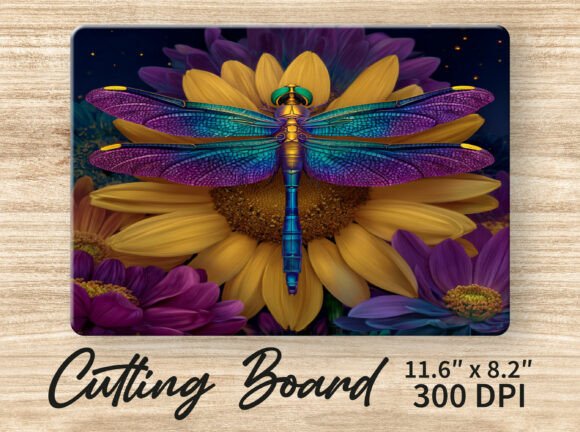
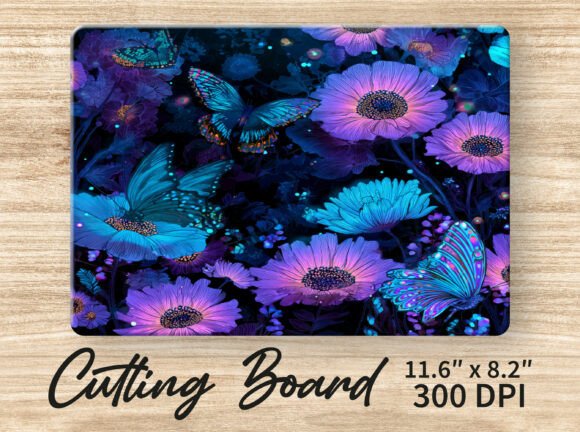
- Confirm Hoop Size: Verify that your hoop accommodates the 11.6″ x 8.2″ dimensions comfortably. Remember that the design files are packaged in a .zip archive, so extract them fully before loading.
- Inspect Small Details: Zoom in on the smallest elements. Are they too thin to hold up? Will they break during the stitching process?
- Use Proper Stabilizer: The stability of the fabric is crucial. Use a cut-away stabilizer for garments that will be stretched or washed frequently, such as custom apparel.
- Mockup Testing: Create black and white mockups to see how the design holds up without color distraction. This helps identify structural issues early.
Ultimately, the Vintage Floral Glass Cutting Board is a strong contender for any designer looking to add a touch of timeless elegance to their portfolio. It bridges the gap between traditional craftsmanship and modern digital convenience. By treating it with the care it deserves—testing thoroughly and selecting the right materials—you can turn a simple digital file into a stunning finished product that customers will cherish. Whether you are a hobbyist making gifts or a seasoned Etsy seller scaling your operation, this design offers a solid foundation for creativity.