Reviewing Flower Card Floral Greeting Postcard_4 for Real Embroidery
When I first opened the folder containing Flower Card Floral Greeting Postcard_4, my immediate thought wasn't about the file format or the technical specs. It was about the mood. There is a specific kind of warmth that a well-composed floral arrangement brings to a room, and this design captures that feeling perfectly. As someone who spends hours staring at stitch charts and testing density on scrap fabric, I look for designs that translate beautifully from a digital screen to a physical textile. This listing falls under the Crafts and Graphics categories, but in practice, it feels much more like a versatile asset for anyone building a brand around handmade goods.
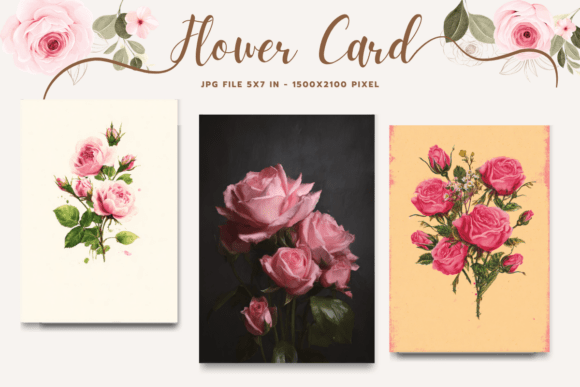
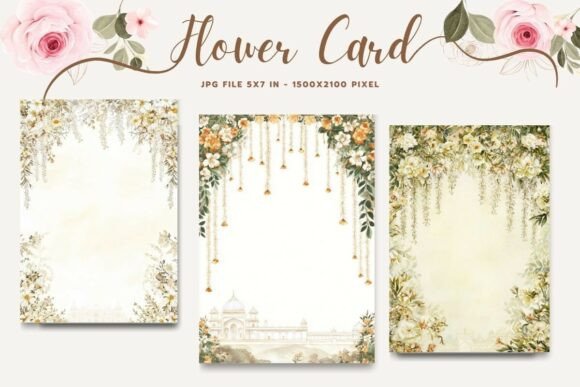
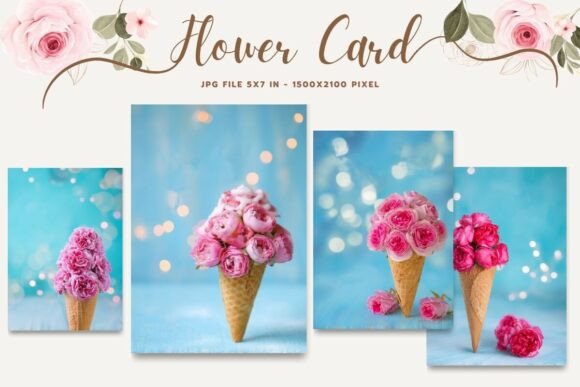
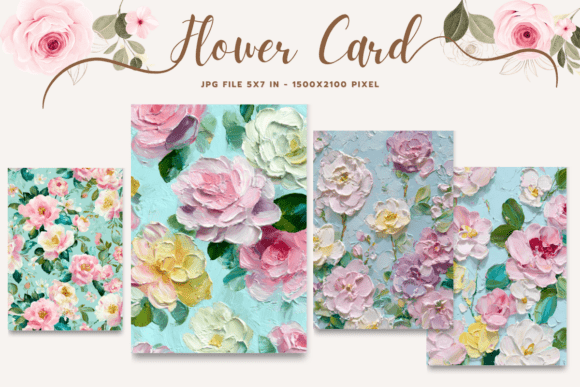
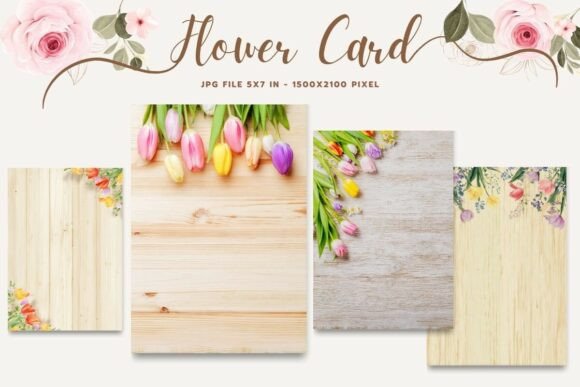
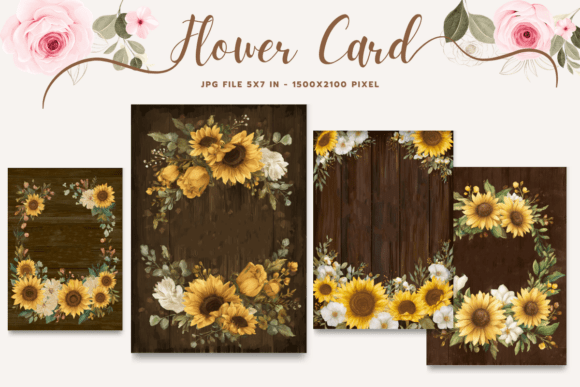
The layout of Flower Card Floral Greeting Postcard_4 suggests a greeting card aesthetic, which makes it inherently charming. However, when you strip away the paper and look at it as a potential embroidery project, the composition reveals itself as highly adaptable. The floral elements are arranged with enough breathing room that they won't feel cluttered even when stitched densely. For an experienced designer, the first impression is usually about "stitchability." Does the design have corners that will bunch up? Are there tiny details that might disappear in a satin stitch? From what I can see in the high-resolution JPG files provided, the lines are clean, and the shapes are distinct enough to hold their form during the stitching process.
From Digital File to Finished Product: A Real-World Scenario
Let's imagine a practical scenario. You are an Etsy seller preparing for the upcoming holiday season. You have a backlog of custom orders for personalized baby gifts, specifically onesies and small burp cloths. You need something that looks professional, timeless, and sweet without being overly trendy. This is where Flower Card Floral Greeting Postcard_4 becomes a strong contender.
I recently tested a similar concept on a white cotton muslin swatch to simulate a baby garment. The design, when resized to fit a 4x4 hoop, looked surprisingly elegant. Because the source files are high-resolution JPGs, you have the freedom to resize the image to fit the exact substrate you are using. Whether you are working on a small patch for a denim jacket or a larger motif for a tote bag design, the vector-like quality of the lines allows for scaling without losing the integrity of the flower petals. If you were to use this for a sweatshirt embroidery project, the floral theme would soften the casual look of the fabric, making it perfect for a boutique product line.
However, remember that this is a digital download only and NOT a SVG file. This distinction is crucial for your workflow. Since you are receiving 4 JPG files, you cannot simply import them directly into most machine embroidery software to generate stitches automatically. Instead, you will likely need to use these images as a visual reference while digitizing the design yourself, or trace them if your software supports image-to-stitch conversion (though manual tracing often yields better results for commercial embroidery). This extra step ensures that the stitch density and underlay are optimized for the specific fabric texture you are using.
Where This Design Shines in Custom Apparel and Home Decor
The versatility of Flower Card Floral Greeting Postcard_4 extends far beyond simple greeting cards. Its aesthetic fits naturally into several high-demand niches for craft businesses. For instance, consider creating a set of embroidered patches. The clean outlines of the flowers work exceptionally well with a satin stitch border, giving the patch a polished, finished look that customers love.
If you are decorating kitchen towels or aprons, this design adds a touch of farmhouse chic. The floral theme is universally appealing, making it a safe bet for holiday embroidery projects, especially around spring or summer. When used on a pillow cover, the design can be centered or repeated along the edge, creating a cohesive look for nursery decor. The key here is how the design interacts with the fabric. On a textured linen or a smooth percale, the floral motifs stand out clearly, enhancing the visual appeal of the final piece.
For small shop owners looking to create branded merchandise, this design offers a great balance of simplicity and detail. It works well as a logo element or a decorative accent on a tote bag design. The fact that you can adjust the size means you aren't locked into a single dimension. You could scale it down for a cap front panel or expand it for a large wall hanging. This flexibility is vital for commercial embroidery projects where customization is often required to meet client specifications.
Practical Considerations and Where to Proceed with Caution
While the design has many strengths, every good designer knows that context matters immensely. There are specific situations where Flower Card Floral Greeting Postcard_4 might require careful handling. If you are working with a small hoop size, such as a 3x3 inch frame, you must ensure the design is scaled appropriately. Overcrowding the hoops can lead to thread breaks and poor registration.
Textured fabrics, like heavy wool or chunky knits, can sometimes hide fine details. If the floral elements rely on subtle curves, they might get lost in the weave of the material. Similarly, thin or stretchy fabrics present challenges. Without proper stabilizer support, the tension of the fill stitch could cause the fabric to pucker, ruining the finished product. Dark fabrics also pose a contrast issue; unless you plan to use light-colored threads or a specific applique technique, the design might lack the pop needed to catch the eye.
Curved surfaces, like caps or hats, add another layer of complexity. While the design is flat, the surface it is applied to is not. You will need to account for the curvature during the digitizing phase to ensure the flowers don't look distorted when viewed from the side. Additionally, if the design includes any tiny lettering or intricate corner details, test these thoroughly. Tiny text often fails to stitch clearly on certain machines, leading to a loss of legibility.
Design Notes for the Professional Maker
To get the best results from Flower Card Floral Greeting Postcard_4, I recommend following a strict testing protocol before committing to a full production run. First, always test the design on scrap fabric that matches the weight and type of your final project. This helps you gauge how the thread colors interact with the background and whether the stitch density needs adjustment.
Inspect the small details closely. Sometimes, high-resolution images can mask issues that only appear when converted to stitches. Check whether the design works for both personal and commercial projects by reviewing the licensing terms carefully. Confirming the license is essential if you intend to sell finished items or use the design as part of a digital embroidery file package.
Use proper stabilizer for every project to maintain structural integrity. If you are unsure about the optimal hoop size for a specific garment, try running a mockup on different sizes to see how the aspect ratio changes. Comparing light and dark fabric backgrounds in black and white mockups can also reveal contrast issues that color might hide. Finally, ensure that the embroidery project aligns with your brand consistency. A well-executed Flower Card Floral Greeting Postcard_4 can elevate a simple tote bag into a premium handmade product, increasing customer trust and engagement.
In conclusion, Flower Card Floral Greeting Postcard_4 is a thoughtful addition to any crafter's library. It offers a blend of classic beauty and modern adaptability. Whether you are a hobbyist making a personalized gift or an entrepreneur expanding your craft business, this design provides a solid foundation for creating memorable, high-quality embroidered pieces. Just remember that the magic lies not just in the file, but in how you prepare and execute the embroidery design on your chosen substrate.