Reviewing Flower Card Floral Greeting Postcard_41 for Real Embroidery
As a designer who has spent years turning digital concepts into stitched reality, I approach every new asset with a mix of excitement and skepticism. You never know if a design will translate well from a screen to fabric until you actually run it through the machine. Recently, I took a close look at Flower Card Floral Greeting Postcard_41 to see if it holds up in a real-world scenario. This isn't just another pretty image; it is a potential cornerstone for a boutique collection or a personalized gift line.
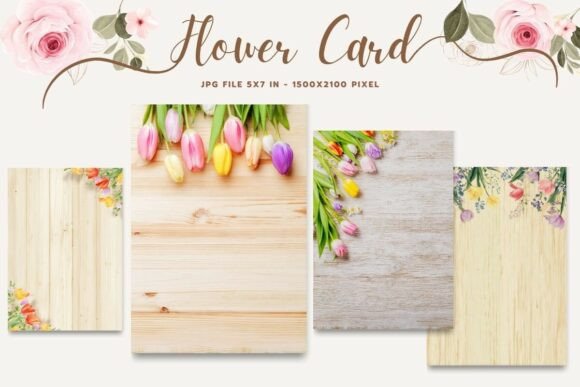
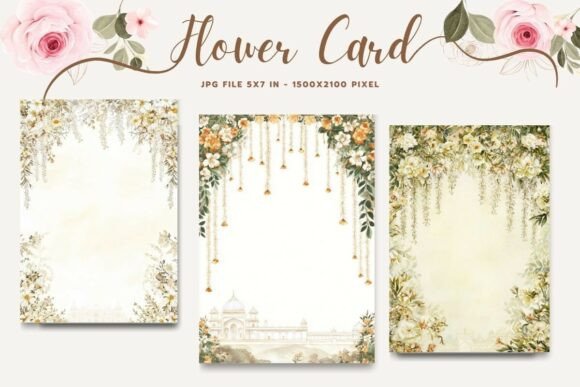
The product listing clarifies immediately that this is a digital download consisting of three high-resolution JPG files, not an SVG vector file. For those accustomed to scalable vectors, this distinction matters. However, since the description notes that you can resize the file to fit your substrate, it opens up a world of possibilities for custom projects. The category falls under Crafts and Graphics, but its true value lies in how it functions as a machine embroidery design element.
First Impressions: Mood and Visual Personality
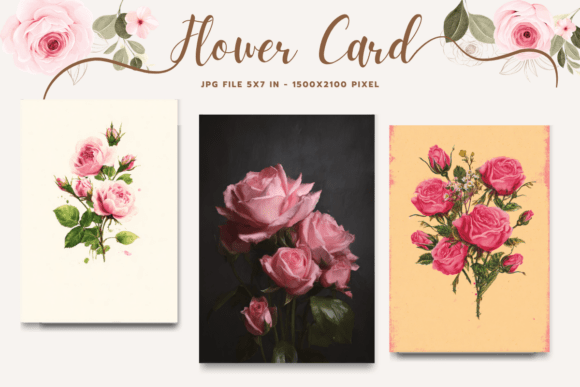
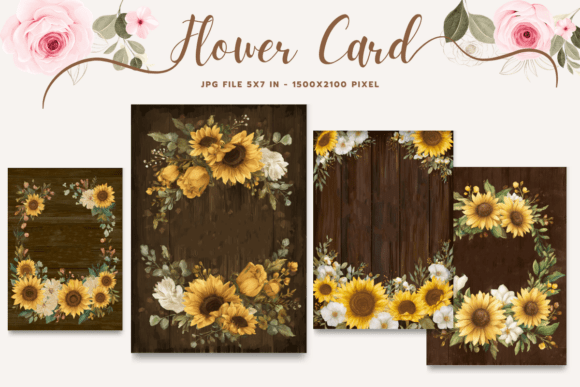
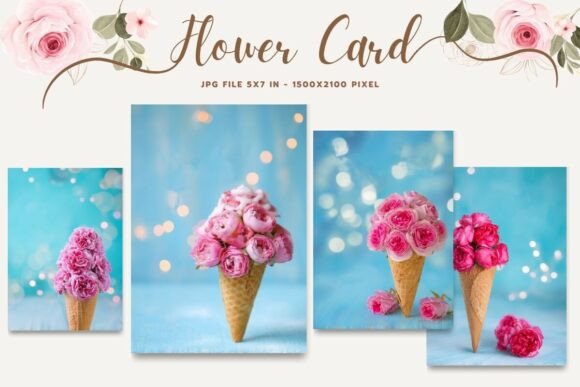
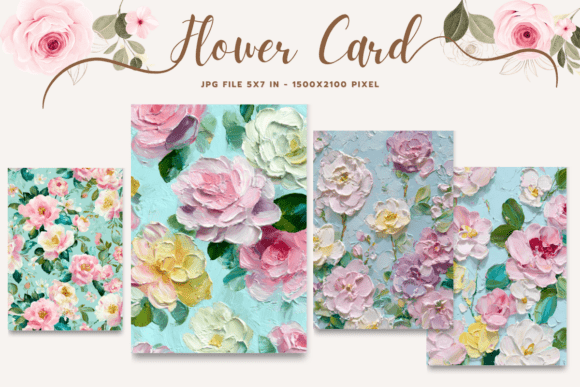
When I first opened the preview images for Flower Card Floral Greeting Postcard_41, the immediate feeling was one of gentle nostalgia. The layout mimics a vintage greeting card, which gives it an inherent sense of warmth and personal connection. In the world of handmade goods, that emotional hook is everything. It feels less like a mass-produced graphic and more like something a grandmother might have sent in the mail, reimagined for modern textile art.
The floral theme is classic, avoiding overly trendy shapes that might date quickly. Instead, it relies on organic lines and soft composition that suggest a garden in bloom. For a designer, this is crucial because it means the design has longevity. Whether you are creating a spring collection or a year-round home decor line, this motif fits naturally without clashing with seasonal trends. The visual personality is delicate yet structured, suggesting that the final stitched piece will have a refined, professional look rather than a chaotic or amateur appearance.
Real-World Application: From Tote Bag to Nursery Decor
I decided to test the versatility of Flower Card Floral Greeting Postcard_41 by imagining it applied to several different substrates. The most immediate thought was a custom embroidered tote bag. Because the design is presented as a card format, centering it on a canvas tote creates a striking focal point. When stitched with high-quality thread colors against a neutral background, it transforms a simple utility item into a statement piece that customers would be proud to carry.
Beyond bags, I envision this design thriving on baby items. The soft, floral aesthetic is perfect for a baby sweatshirt or a onesie. Parents looking for unique gifts often gravitate toward designs that feel curated and thoughtful. If you are an Etsy seller or a small shop owner, using this design on a baby blanket or a nursery pillow cover could significantly boost perceived value. The "postcard" concept allows you to play with text elements around the flowers, perhaps adding a custom name or a sweet message, making it a truly personalized gift.
I also considered its potential for holiday embroidery. Imagine placing this design on a kitchen towel or a tea towel during the spring or summer months. The floral motif pairs beautifully with the utilitarian nature of kitchen linens, elevating them from basic tools to decorative accents. For commercial embroidery projects, such as branded merchandise for a flower shop or a botanical cafe, this design offers a level of sophistication that generic clipart simply cannot match.
Navigating Technical Challenges and Limitations
While the artistic vision is strong, practical application requires careful consideration. Since this is a raster image (JPG) intended for digitization or tracing, the stitch density and detail level become critical factors. If you are planning to use this on small hoop sizes, such as for caps or hats, you must be cautious. Curved surfaces like caps distort flat imagery, and intricate details in the corners of the postcard design might get lost or bunch up when stitched onto a curved brim.
Textured fabrics present another hurdle. If you attempt to embroider this on a thick, looped terry cloth or a heavy denim jacket without proper stabilization, the definition of the floral lines could suffer. Similarly, stretchy fabrics require a stabilizer that matches the garment's elasticity; otherwise, the design might pucker after washing. For dark fabrics, the contrast of the threads will need to be carefully selected to ensure the white or light-colored elements of the card design pop against the background.
I also advise caution regarding dense stitch areas. If the design contains complex fill stitches, running it at high speed on thin fabric could lead to perforation or tearing. Always inspect small details before committing to a full production run. If the design includes tiny lettering or fine lines, test it on scrap fabric first to ensure the needle doesn't skip stitches or break the thread.
Maximizing Visual Appeal and Customer Trust
The way Flower Card Floral Greeting Postcard_41 is executed directly impacts customer trust and brand consistency. A poorly digitized version of a beautiful image can make a handmade product look cheap. Conversely, a clean execution with balanced thread colors and appropriate stitch density signals professionalism. When buyers see a finished product that looks crisp and intentional, they are more likely to perceive the item as a premium good, allowing you to command higher prices.
For digital product sellers creating printable mockups, this design offers excellent flexibility. You can use the high-resolution JPGs to showcase how the embroidery would look on various backgrounds, helping potential buyers visualize the final result. This transparency reduces returns and increases engagement, as customers feel confident in what they are purchasing. The design assets here serve as a bridge between digital imagination and tactile reality, enhancing the overall buying experience.
Practical Designer Notes for Success
To get the most out of this project, I recommend a few specific steps before starting your embroidery machine. First, always check the licensing terms to confirm whether you can sell finished items made with this design. Commercial embroidery rights vary, and assuming permission is granted can lead to legal issues down the line.
Second, review the stitch density and confirm the hoop size requirements. Since the file is a JPG, you may need to trace it into a vector or digitize it yourself depending on your workflow. Ensure you use the correct stabilizer for your fabric texture; a cut-away stabilizer is often best for woven garments like aprons, while a tear-away might suffice for lighter projects.
Finally, test the thread colors against both light and dark fabric backgrounds. Sometimes a color combination that looks vibrant on a screen appears dull on fabric. By comparing these variables and testing on scrap material, you ensure that the Flower Card Floral Greeting Postcard_41 design delivers the quality your clients expect. Whether you are crafting a single personalized gift or building a line of boutique products, attention to these details makes all the difference in the finished product.