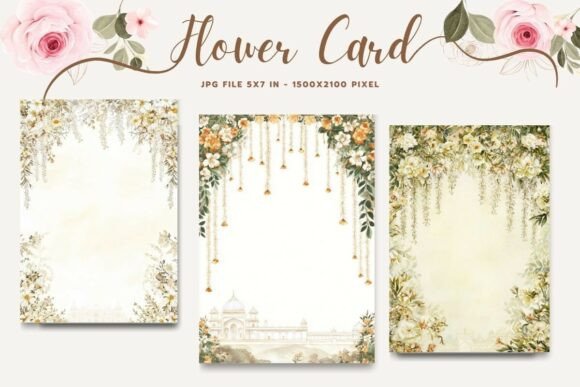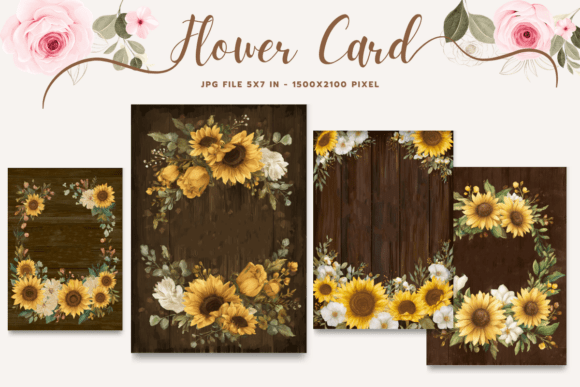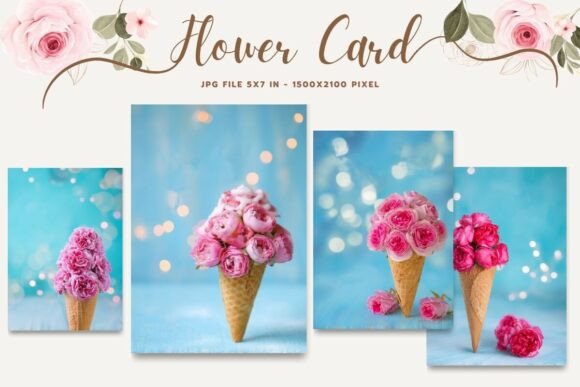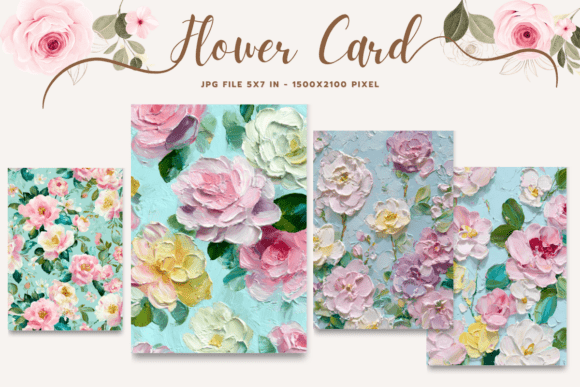
Reviewing Flower Card Floral Greeting Postcard_43 for Real Embroidery
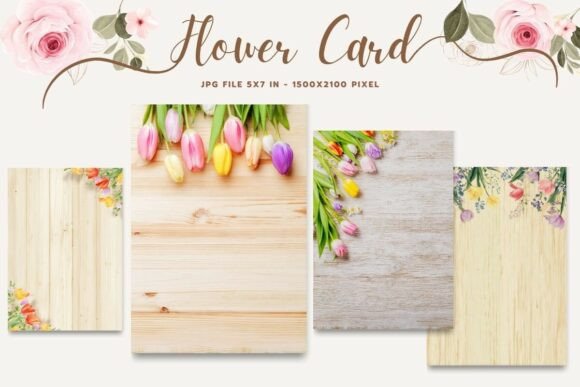
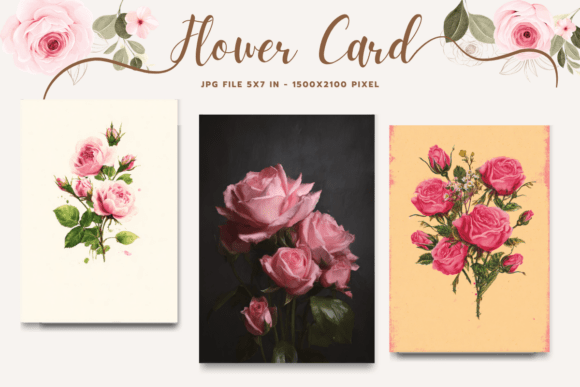
As a designer who has spent years refining the art of machine embroidery, I approach every new asset with a mix of excitement and skepticism. When Flower Card Floral Greeting Postcard_43 landed in my inbox, I wasn't just looking at another pretty image; I was evaluating its potential to become a tangible, high-quality finished product. This is not a standard vector file you can stretch and distort without consequence. It is a digital download provided as three high-resolution JPG files, which means we are dealing with a raster-based visual that requires careful interpretation before it ever touches a needle.
The first impression of Flower Card Floral Greeting Postcard_43 is one of soft elegance. The layout suggests a greeting card aesthetic, which immediately tells me this design belongs in the realm of personalization and intimate gifting rather than bold streetwear branding. The floral theme feels timeless, but the specific arrangement creates a mood that is both welcoming and refined. For a small business owner or an Etsy seller, this visual personality is crucial because it sets the tone for the customer's unboxing experience. However, converting a static JPG into a dynamic embroidery project requires more than just hitting "start" on your machine.
From Digital Preview to Stitched Reality
The most critical step in my workflow is translating the visual data of Flower Card Floral Greeting Postcard_43 into stitch commands. Since this listing does not provide a native machine embroidery file format like .PES or .DST, the designer must rely on digitizing software to interpret these JPGs. This process introduces variables that can make or break the final look. In a real-life scenario, imagine preparing a custom embroidered tote bag for a boutique client. The goal is to create a unique, handmade product that stands out on a shelf full of generic items.
If I were to use Flower Card Floral Greeting Postcard_43 on a canvas tote, the density of the flowers would need to be carefully managed. A high-resolution JPG often contains subtle gradients and fine lines that do not translate well to thread. If the original design relies on thin, delicate strokes to define petal edges, those might get lost in the fabric texture or result in a messy satin stitch if not digitized correctly. The key here is understanding that the visual appeal of the finished product depends entirely on how well the digitizer interprets the source image. For a craft business, this distinction is vital; customers pay for clarity and durability, not just a pretty picture.
Ideal Use Cases for Custom Apparel and Home Decor
Where does this design truly shine? Based on the composition and floral nature, Flower Card Floral Greeting Postcard_43 is perfectly suited for projects where a softer, more decorative touch is desired. It excels on baby clothes, where gentle patterns are preferred over aggressive graphics. Imagine a personalized gift set: a baby onesie paired with a matching burp cloth featuring this floral motif. The design's inherent balance makes it versatile enough for nursery decor, such as pillow covers or wall hangings.
For holiday gifts, this design offers a professional upgrade to standard kitchen towels. While many sellers slap simple text on tea towels, incorporating Flower Card Floral Greeting Postcard_43 adds a layer of sophistication that elevates the perceived value of the item. It also works beautifully for wedding favors or bridal shower merchandise. The "greeting postcard" vibe translates naturally into keepsake items, making it an excellent choice for commercial embroidery projects aimed at the sentimental market. Whether you are creating an embroidered patch for a denim jacket or designing a logo for a handmade shop, this asset provides a strong foundation for brand consistency.
Technical Challenges and Where to Proceed with Caution
However, no design is without its limitations, and Flower Card Floral Greeting Postcard_43 presents specific challenges that experienced embroiderers must anticipate. One of the primary concerns is the hoop size. Because the design appears to have a specific layout reminiscent of a card, attempting to fit it into a small hoop (such as 4x4 inches) could result in cropping essential details or forcing awkward spacing between elements. If the design includes tiny lettering or intricate corner accents, these areas are prone to distortion when scaled down.
Fabric selection is another critical factor. Textured fabrics like heavy wool or thick corduroy can obscure the fine details of the floral pattern. Similarly, stretchy fabrics require a stabilizer system that is robust enough to prevent puckering, especially if the design utilizes dense fill stitches. Dark fabrics present their own hurdle; unless the digitizing process includes a substantial underlay or light-colored threads, the contrast might be insufficient, causing the design to blend into the background. Furthermore, products that undergo frequent washing, such as aprons or work shirts, demand a design with sufficient structural integrity. If the digitization relies too heavily on long, unsupported running stitches, the design may unravel over time.
Maximizing Visual Appeal and Customer Trust
In the world of handmade products, presentation is everything. A poorly executed embroidery job can undermine customer trust, even if the initial idea was sound. Using Flower Card Floral Greeting Postcard_43 effectively means ensuring that the thread colors chosen complement the substrate. High-resolution JPGs allow us to preview color combinations, but the actual stitching will reveal the true character of the piece. A successful project will show clear definition in the satin stitches and smooth transitions in the fill areas.
When selling these items, whether through an Etsy listing or a local craft fair, the quality of the embroidery directly impacts buyer engagement. A crisp, well-stitched version of this floral design signals professionalism and attention to detail. It suggests that the maker cares about the longevity of the product. Conversely, a sloppy execution can lead to returns and negative reviews. Therefore, the decision to use this design should be preceded by rigorous testing. Creating a printable mockup can help visualize the end result, but nothing replaces testing on the actual fabric.
Practical Designer Notes for Implementation
Before committing to a production run or a large batch of personalized gifts, there are several non-negotiable steps to take. First, always test the design on scrap fabric. This allows you to observe how the stitch density interacts with the material and adjust tension settings accordingly. Check the thread color contrast against the intended background to ensure legibility and visual impact. Review the stitch density in your digitizing software; if the design is too dense, it may cause the fabric to pucker or the needle to break.
Confirm the appropriate hoop size early in the process to avoid last-minute redesigns. Inspect small details closely, as these are often the first things to degrade during digitization. It is also wise to test the design in black and white mockups to verify that the shapes hold up without relying on color alone. Compare how the design looks on both light and dark fabric backgrounds to ensure versatility. Finally, use a proper stabilizer—cut-away for stretchy fabrics and tear-away for stable materials—to maintain the shape of the embroidery.
Lastly, remember that licensing terms vary. Confirm whether this digital embroidery file is cleared for commercial use if you plan to sell the finished products. Do not assume that purchasing a graphic automatically grants you the right to manufacture and sell items featuring that design. By following these practical guidelines, you can transform Flower Card Floral Greeting Postcard_43 from a simple digital image into a stunning, market-ready embroidery project that delights customers and strengthens your brand.